(Reflections)
What Seva (Service) Taught Me About Ownership
(Reflections)
What Seva (Service) Taught Me About Ownership
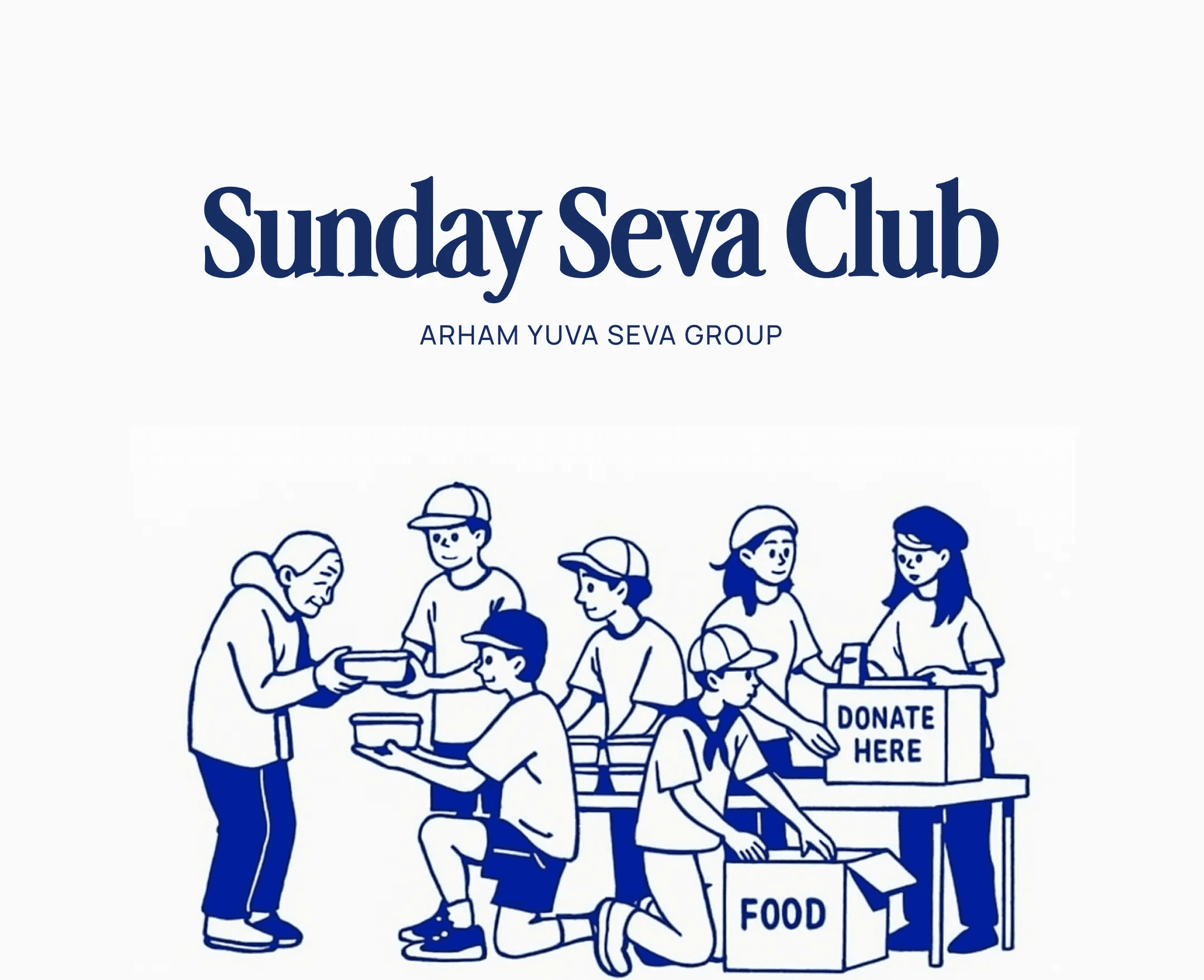
Some of the biggest teams I've worked with weren't at work. They were volunteers.
No salaries. No KPIs. No appraisals. No one reporting to anyone.
Just people choosing to show up.
For a long time, I thought that was normal. Then I started working in organisations and realised how unusual it actually is.
Through my work with an NGO and spiritual organisation, I've spent weekends helping organise large-scale events, managing social media, coordinating teams and working alongside people who were giving their time simply because they wanted to contribute.
Nobody was there because they had to be. And that's what makes it interesting.
In a company, ownership can often be enforced through deadlines, managers, and escalation paths. In seva, none of that exists.
If someone shows up at 5 AM to help set up an event, it's because they chose to. If someone stays back after everyone has left, it's because they care.
That's where I learned that authority doesn't create ownership.
Choice does.
What surprised me most was how little people cared about titles. Nobody was asking, "Who gets credit for this?" The question was usually, "What still needs to get done?"
Of course, things weren't perfect. Plans changed. Mistakes happened. But when people cared about the outcome, they stepped outside their roles without being asked.
The work mattered more than the title.
Over time, I've realised ownership has very little to do with hierarchy or authority. It's what happens when someone sees a problem and decides it's theirs to solve.
No one assigned it. No one asked for it.
They just decided it mattered. That's probably the biggest thing seva (service) taught me.
Ownership starts long before responsibility is assigned.


(Insight)
What Seva (Service) Taught Me About Ownership
Some of the biggest teams I've worked with weren't at work. They were volunteers.
No salaries. No KPIs. No appraisals. No one reporting to anyone.
Just people choosing to show up.
For a long time, I thought that was normal. Then I started working in organisations and realised how unusual it actually is.
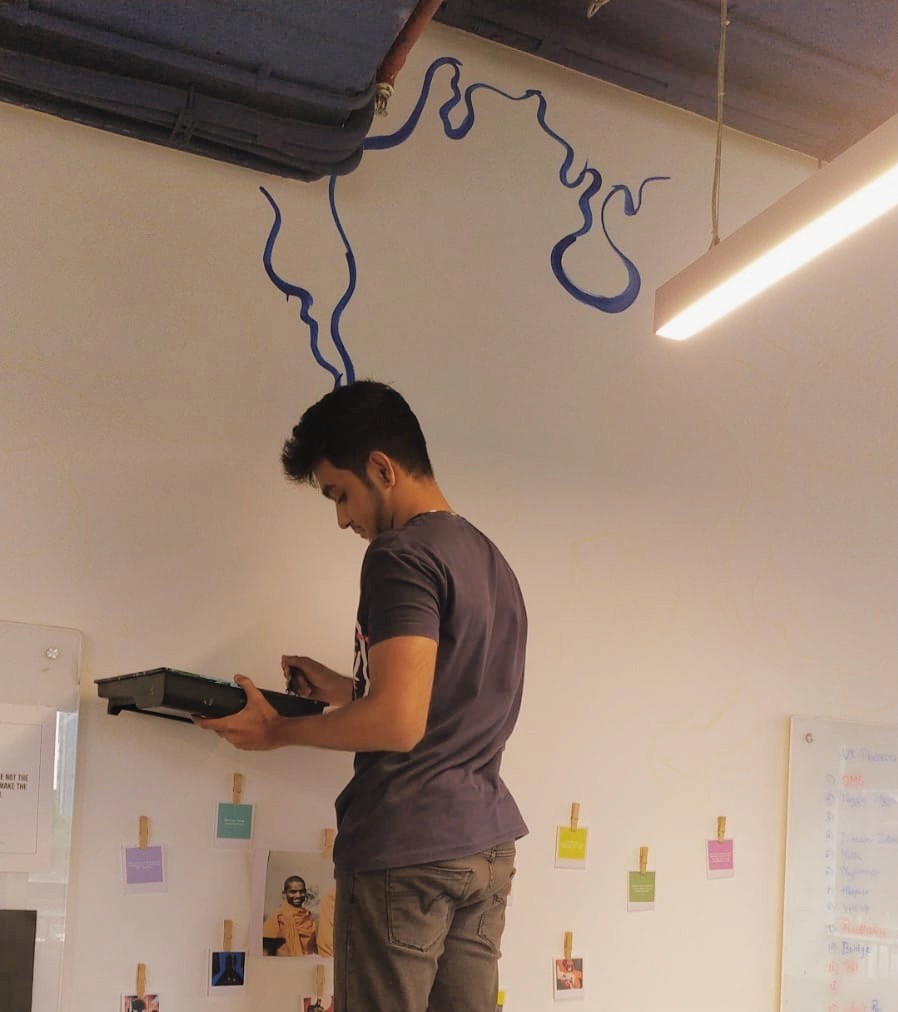
Through my work with an NGO and spiritual organisation, I've spent weekends helping organise large-scale events, managing social media, coordinating teams and working alongside people who were giving their time simply because they wanted to contribute.
Nobody was there because they had to be. And that's what makes it interesting.
In a company, ownership can often be enforced through deadlines, managers, and escalation paths. In seva, none of that exists.
If someone shows up at 5 AM to help set up an event, it's because they chose to. If someone stays back after everyone has left, it's because they care.
That's where I learned that authority doesn't create ownership.
Choice does.
What surprised me most was how little people cared about titles. Nobody was asking, "Who gets credit for this?" The question was usually, "What still needs to get done?"
Of course, things weren't perfect. Plans changed. Mistakes happened. But when people cared about the outcome, they stepped outside their roles without being asked.
The work mattered more than the title.
Over time, I've realised ownership has very little to do with hierarchy or authority. It's what happens when someone sees a problem and decides it's theirs to solve.
No one assigned it. No one asked for it.
They just decided it mattered. That's probably the biggest thing seva (service) taught me.
Ownership starts long before responsibility is assigned.